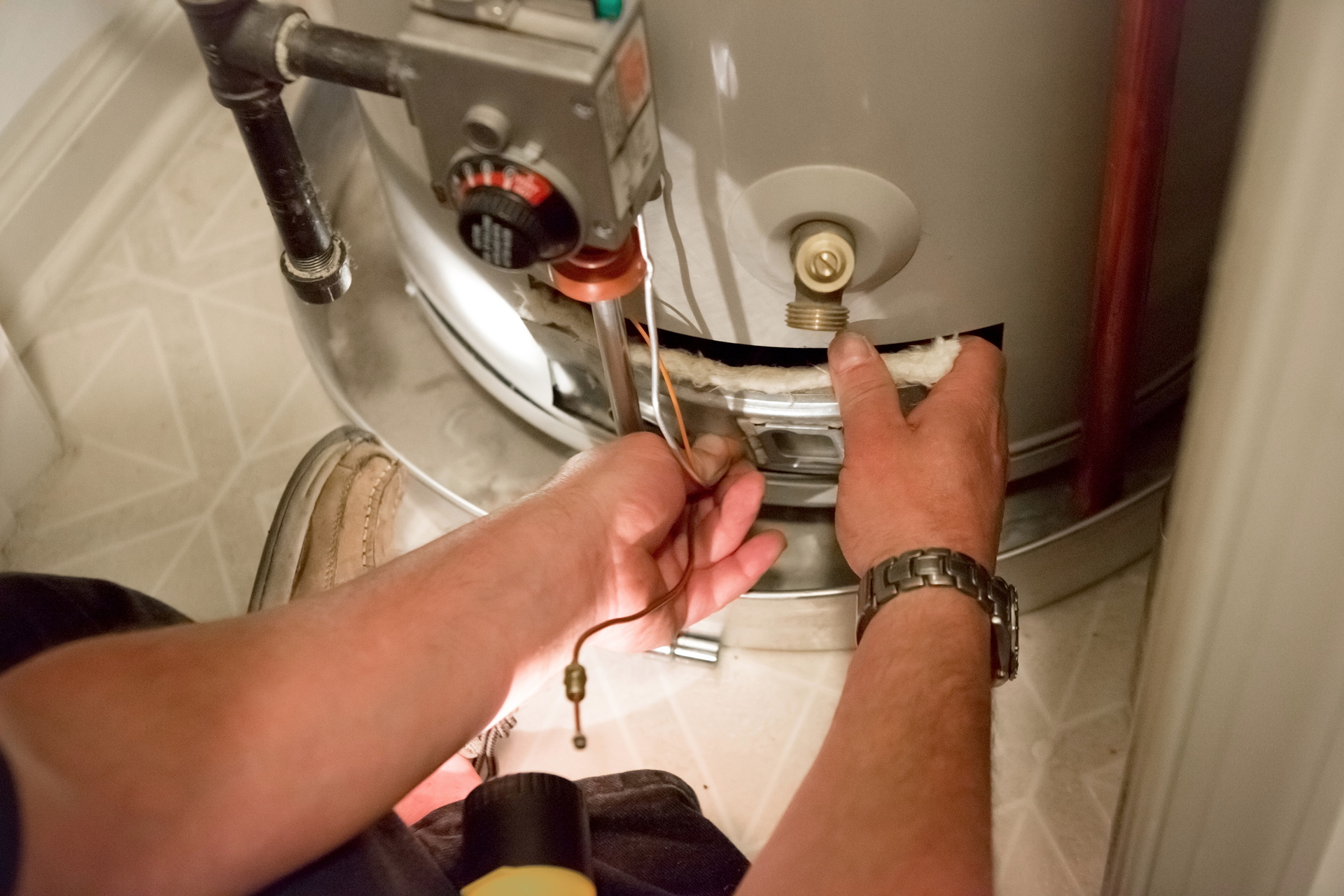
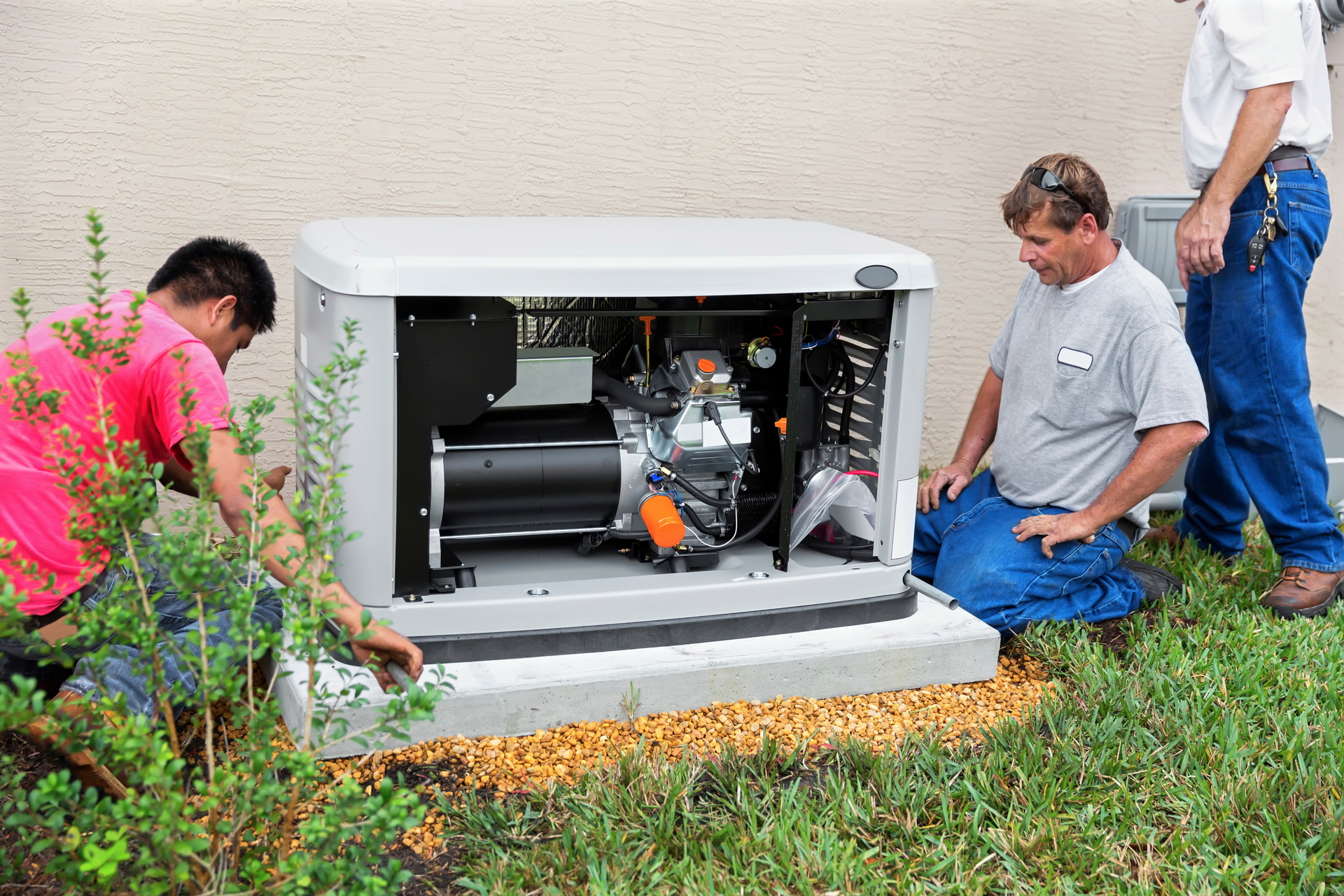
There are some times when water heater problems can be fixed, but other times, the problems are significant enough that they call for a complete water heater replacement. How do you know when that time comes? Our team is here to help. Your home’s water heater plays a crucial role in providing daily comfort and a reliable hot water supply.
Schedule an appointment with us for water heater service in Gainesville. We can inspect your water heater and find out what’s wrong. If the problems are bad enough that you need a replacement, we can review your options. But if we can make repairs then we will do that instead. You can also keep reading to learn more about when you may want to replace your water heater instead of repairing it. Following a water heater maintenance checklist and ensuring proper maintenance can help extend the lifespan of your unit and may influence the decision to repair or replace. Water heater maintenance may not be a fun activity, but it can help save money and improve its lifespan.
Should You Repair or Replace Your Water Heater?
You should replace your water heater if it is over 10 years old, needs frequent repairs, or struggles to deliver consistent hot water, as your home’s water heater is essential for providing hot water for daily household tasks. Repairs make sense for newer units with minor issues, but ongoing problems, rising energy bills, leaks, or corrosion usually mean replacement is the more cost-effective and reliable long-term solution. Persistent water heater maintenance issues with your hot water heater, such as frequent breakdowns or temperature inconsistencies, can also signal it’s time for a replacement. A common water heater maintenance issue involves thermostat adjustments to resolve temperature problems, which highlights operational concerns that may be addressed with simple DIY fixes. Inconsistent hot water can indicate issues with the thermostat or sediment buildup in the tank. Regular maintenance also prevents kettling, ensuring hot water is not prematurely depleted due to sediment accumulation in the tank.
Continue Reading